Commercial property finance
Buying your premises, growing a portfolio, winning at auction or funding a build? Each one needs a different kind of lending. We introduce limited companies and LLPs to a panel of property lenders and lay out the options that fit the deal.
By the CapExpand Team, led by Alex Beardsley
·Updated June 2026
Up to 80%
Max LTV, some lenders
Days to weeks
Bridging is fast
Ltd & LLP
Who we help
No fee
You never pay us
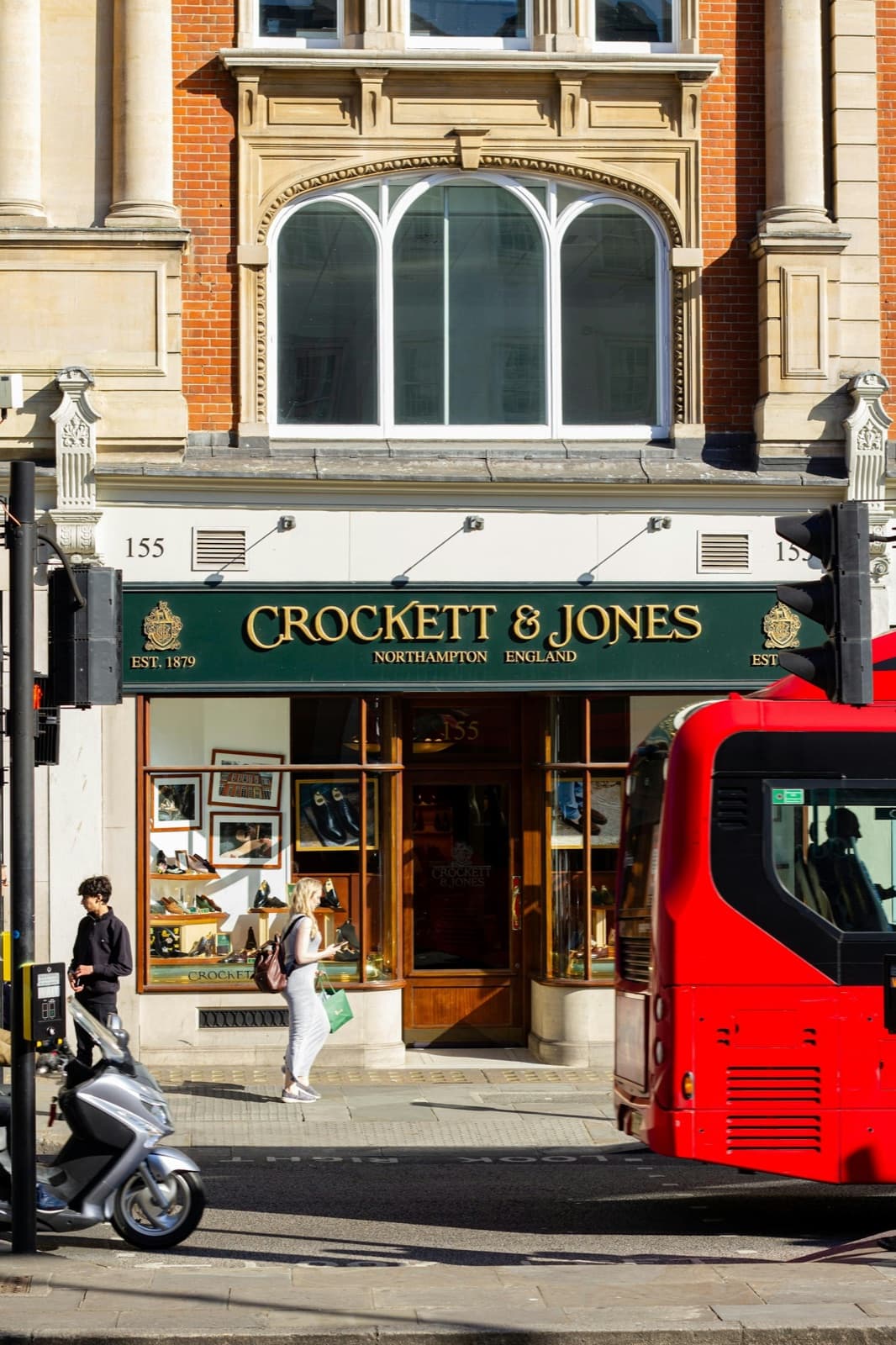
From your own trading premises to a growing property portfolio
The short version
It usually comes down to matching the product to the timeline. Buying premises to keep is typically a commercial mortgage; moving in days with a clear exit is typically bridging; building or converting is typically development finance. Getting that pairing wrong can cost you the deal or a lot of money, so it is worth talking through before you commit. We don't give advice, but we'll explain how each option works so you can choose.
What it covers
Property finance is any borrowing secured against commercial or investment property. The property is the security, so it tends to be larger and cheaper than unsecured borrowing.
We cover it for limited companies and LLPs, from the unit you trade from to a buy-to-let portfolio or a ground-up build. We do not touch regulated residential home loans.
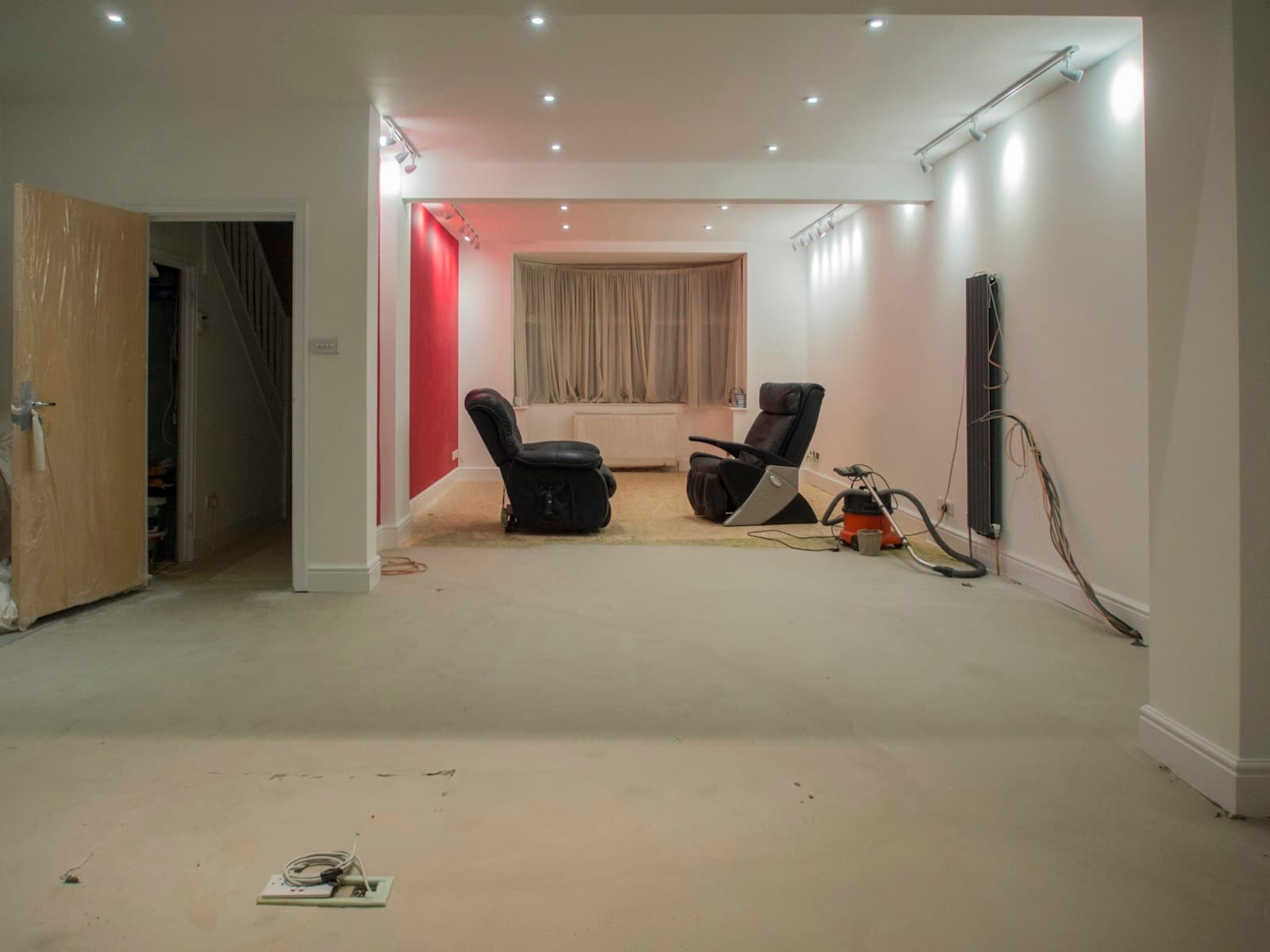

Bridging or development finance turns a tired, empty unit into a fitted-out space that earns. Buy it, do it up, refinance onto a longer-term mortgage or sell it on.
The main types
Commercial mortgage
Owner-occupiedBuy the premises your business trades from. Long term, up to around 25 years, the cheapest way to own your space.
Commercial investment mortgage
Let to tenantsBuy property to rent out. Lending is sized on the rental income covering the payments.
Bridging finance
Fast, short termMove in days for auctions, chain breaks or quick refurbs. Higher cost, needs a clear exit.
Development finance
Staged drawdownFund a build or conversion in stages against the end value and costs. Experience matters here.
Rates, LTV and terms
Where each product typically lands. A general guide, not a quote.
| Product | LTV / term | How it's priced |
|---|---|---|
| Commercial mortgage | Up to ~80% · to 30 yrs | Margin over a reference rate, or fixed |
| Investment mortgage | Up to ~75% · to 25 yrs | Sized on rental cover |
| Bridging | Up to ~75% · to 24 mths | Monthly rate, repaid on exit |
| Development | Up to ~70% of GDV | Staged, costed against the scheme |
Can you go above 80%?
Sometimes. Professional practices like dental, vet, medical, accountancy and legal can reach up to 100% with specialist lenders. On other property you can often get there by adding security over another property you own, or with mezzanine finance. It is case by case, and we will tell you straight what is realistic.
Budget for valuation, legal and lender arrangement fees on top. We show you the full cost to completion, not just the headline rate.
Who it suits
It tends to be a good fit when the deal is one of these:
- ✓A business buying its own trading premises
- ✓A limited company landlord building a portfolio
- ✓A developer funding a build or conversion
Lenders weigh up the property, your deposit or LTV, the income or exit, and the directors. Expect personal guarantees on most corporate deals, and relevant experience for development.
A note on who we take on
We currently work with UK limited companies and LLPs only, on a non-regulated basis. We are not authorised by the Financial Conduct Authority and do not arrange regulated residential mortgages.
How it works
Tell us about the deal
The property, the price, your deposit or loan needed, and your timescale. Two minutes on the form or a call.
We match you to lenders
We put it to the property lenders on our panel suited to that property type and timeline.
You get terms to compare
We talk you through the rate, the loan-to-value, the fees and the conditions, and flag the catches.
Valuation, legals, completion
The lender values the property, the solicitors do their bit, and the funds complete. We keep it moving.
Common questions
What is a commercial mortgage?▼
A longer-term loan secured on commercial property, used either to buy premises your business trades from (owner-occupied) or to buy property to let out (investment). Terms commonly run up to 25 years, and up to 30 with some lenders. Lenders typically advance up to around 75% of the value, with owner-occupiers reaching up to 80% with some challenger banks, so the deposit is usually 20% to 25% or more.
What is bridging finance and when would I use it?▼
Bridging is short-term property finance, usually a few months up to around 24 months, designed for speed. Businesses use it to buy at auction, beat a chain collapse, secure a property before a sale completes, or fund a quick refurbishment. It costs more than a mortgage, often priced as a monthly rate, so it only makes sense when you have a clear exit, normally a sale or a refinance onto a longer-term loan.
What is development finance?▼
Funding for building or major conversion projects, released in stages as the work progresses. Lenders look at the gross development value, the build costs and your experience. It usually covers a chunk of land cost plus most of the build, with the balance and profit realised when you sell or refinance the finished scheme.
How much deposit do I need?▼
It depends on the product and property. As a rough guide, expect to put in 20% to 25% or more for a commercial mortgage, with investment and specialist property such as hotels or care homes often needing more. Bridging is driven by the loan-to-value against the property and your exit. We will tell you what is realistic for your case before you spend time on it.
Can I borrow more than 80%, like 90% or 100%?▼
On general commercial property, mainstream lenders cap at around 70% to 80%. Higher is possible in two situations. Professional practices such as dental, veterinary, medical, accountancy and legal can reach up to 100% with specialist lenders, because default rates in those sectors are very low. On other property you can often get to 100% of the purchase price by adding security over another property you own, or by putting mezzanine finance on top of a senior loan. It is always case by case and subject to the lender.
Can a limited company hold the property?▼
Yes, and for investment and buy-to-let property many landlords now use a limited company or LLP structure. Lenders are well set up for corporate borrowers and will usually want personal guarantees from the directors. Speak to your accountant about the tax side of holding property personally versus through a company.
Do you arrange residential mortgages?▼
No. We deal with commercial and investment property finance for businesses, limited companies and LLPs. We do not arrange regulated residential mortgages or owner-occupier home loans. A regulated mortgage broker is the right place for those.
Is commercial property finance FCA regulated?▼
Commercial and investment property finance taken by a limited company or LLP for business purposes is generally not a regulated mortgage contract. Some property lending to individuals can be regulated. CapExpand only introduces limited companies and LLPs on a non-regulated basis and is not an FCA-authorised firm.
Does CapExpand lend the money?▼
No. We are not a lender. We introduce UK limited companies and LLPs to a panel of property finance lenders and help you compare them. The lender pays us a commission if a deal completes, never you.
Sources
- FCA, regulated mortgage contracts (MCOB)
- NACFB, commercial finance standards
- British Business Bank, business finance guidance
- Bank of England, base rate
Important information
CapExpand Ltd is not authorised by the Financial Conduct Authority and can only complete non-regulated introductions. We work with UK limited companies and LLPs only, for business and commercial purposes, and we do not arrange regulated residential mortgages. We are not a lender and we do not provide financial, tax or legal advice. We work with a panel of lenders whose particulars are available on request, and we receive commission from the lender if a deal completes, at no cost to you. All lending is subject to status, valuation and the lender's own checks.
Got a property deal on the table?
Tell us the property, the numbers and your timescale, and we'll come back with the lenders best placed to fund it. Free to use, no obligation.